Stay Safe During A Flood With These Safety Tips

During a minor or major flood, it is important to remember to prioritize your safety with these safety tips:
Avoid electrical hazards from flooding:
- When possible, we recommend that you contact a licensed electrician to advise and assist during flood conditions in turning power off at the breaker box and back on. If it appears that water will get as high as the outlets in your house, we recommend that you cut off power at the breaker box only if you are able to do so safely.
- Be aware that submerged outlets or electrical cords may energize standing water. Do not enter a flooded area until it has been determined safe to do so.
- Do not touch a breaker or replace a fuse with wet hands or while standing on a wet surface.
- If your home experiences flooding, keep the power off until a licensed electrician has inspected your system and has deemed it safe.
- Have a licensed electrician inspect electrical appliances that have been wet, and do not turn on your plug-in appliances unless an electrician tells you it is safe.
- Stay away from downed powerlines. If you must evacuate your home in a boat or personal watercraft, be aware that flood waters may put you closer to power lines that are typically much higher above you in dry conditions. Stay alert and look out for overhead hazards.
Avoid natural gas hazards from flooding:
- If you smell natural gas leave immediately on foot, do not use electric switches, cell phones, start a car or do anything that could cause a spark. Go to a safe location and call 911 and CenterPoint Energy, and alert your neighbors to stay away from the gas leak. Never try to repair a natural gas leak yourself.
- Floodwater may shift your gas equipment or appliances, causing stress to the natural gas piping, which could result in a natural gas leak.
- If flooding is severe and any natural gas equipment has been under water, you should not use it until it's been inspected by a licensed plumber or contractor.
- Do not attempt to place natural gas appliances back in service yourself. A licensed plumber or contractor will check, clean, repair and pressure test all gas pipes, which may have been clogged with mud or debris.
- If water levels were high enough to cover the gas meter, contact us to have your meter checked for safety before using your gas system. Once your appliances are safe to operate, we will turn your gas service back on.
More flooding safety tips:
- Follow evacuation orders, heed warning signs, and wait for the “all-clear” before returning.
- Avoid standing water, as it can hide chemicals that could make you sick, electrical hazards from downed powerlines and sharp debris.
- Animals are often displaced during storms and seek higher ground. Beware of snakes and insects. The days following a storm also present a higher risk of mosquito-borne illnesses. Be sure to protect yourself with clothing and bug spray and eliminate standing water whenever possible.
- Do not attempt to cross flowing streams, whether by vehicle or by foot. It is easy to underestimate the strength of the water’s flow.
- Never drive through flooded roadways. If your vehicle stalls, leave it immediately and move to higher ground. Be especially careful at night, when it is more difficult to recognize flood dangers.
- Use caution when entering buildings after a flood. Structural damage may not be immediately visible.
- If you use a portable generator, keep the generator outside approximately 20 feet from your home where it is well ventilated. Never connect the generator directly to your household wiring unless a transfer switch has been installed, use three-pronged grounded extension cords, keep your generator dry, install carbon monoxide alarms in the home and do not overload the generator. View more portable generator safety tips.
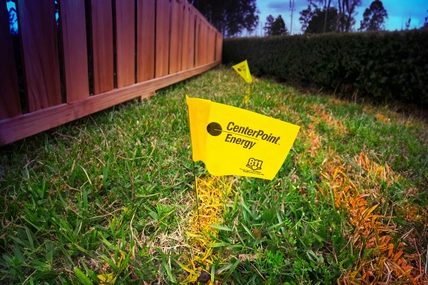
- When you are making repairs to your home after the flood, be sure to call 811 at least two working days before you plan to dig so your underground utility lines can be marked. It’s safe, it’s easy and it’s the law.
For more information and safety tips, view the Centers for Disease Control and Prevention’s floodwater safety guidelines.